Injection molding production
We will assist with selecting the right equipment for you

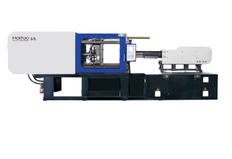


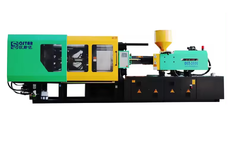
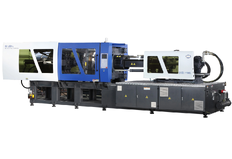

Injection molding is one of the key technologies in modern industry, providing the ability to create parts of complex shapes and high precision. Injection molding is used in various industries such as automotive, aviation, mechanical engineering and electronics.
Injection Molding process
Preparation of the form
The process begins with creating a mold into which the molten material will be poured. The molds can be made of various materials such as metal, sand or ceramics, depending on the requirements for the final product.
Melting of the material
Then the raw material melts to a liquid state. The material used can be metal, plastic or ceramic, depending on the specifics of the production process and the required properties of the final product.
Casting and cooling
The molten material is poured into the prepared mold and cooled until solidification. This stage requires precise temperature and time control to avoid defects in the casting.
Cleaning and processing
After solidification, the casting is removed from the mold and goes through the stages of cleaning and processing. This may include the removal of excess material, sanding, polishing and other treatments to achieve the required dimensions and surface quality.
Advantages of injection molding
- High precision and quality. Injection molding allows you to create parts with high precision and excellent surface quality.
- The ability to create complex shapes. The technology makes it possible to produce parts of complex geometry that are difficult or impossible to manufacture using other methods.
- Cost-effectiveness. Casting allows efficient use of the material and reduces production costs.
- Production flexibility. The technology is suitable for mass production and small-scale manufacturing of parts.
Types of injection molding
Sand casting
This method is used for the production of large and heavy parts. Sand molds are easy to make and suitable for single use.
Injection molding
It is suitable for mass production of metal and plastic parts. The method provides high accuracy and performance.
Die casting
It is used for the production of complex and precise parts. The smelted model is made of wax or plastic and coated with ceramics to create a mold.
Coquille Casting
The method involves the use of permanent metal molds (coquilles) for repeated use. It is suitable for mass production of the same type of parts.
Injection Molding Equipment
- Melting furnaces. They are used to melt metals and other materials to a liquid state.
- Injection molding machines. They include equipment for injection molding, die casting and other types of machines for pouring molten material into molds.
- Molding plants. Equipment for creating sand, metal or ceramic molds.
- Cooling systems. They provide controlled cooling of castings to achieve optimal material properties.
- Cleaning and processing machines. They include equipment for removing excess material, grinding and polishing castings.
Delivery of injection molding equipment from China
Features and benefits
China is one of the leading manufacturers of injection molding equipment. Shipping equipment from China can be a profitable solution due to the affordable price, wide range and high quality of products.
- Economy. The cost of equipment and delivery is often lower than that of local suppliers.
- A wide selection. The ability to choose from a variety of models and configurations.
- Quality and guarantees. Many Chinese manufacturers offer high-quality equipment with a guarantee.
Conclusion
Injection molding is a key technology in modern industry, ensuring high quality and precision manufacturing of parts. Thanks to modern equipment and technologies, enterprises can significantly improve their productivity and product quality. The delivery of equipment from China provides additional opportunities for saving money and choosing high-quality equipment.
Ask questions by phone or email
-
+7 (921) 054-95-11

-
info@ecozapan.com

-
Our address: Qingdao, Binchuan Road, Unit 1, Building 15, No. 72