Soap production
We will assist with selecting the right equipment for you

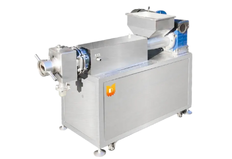


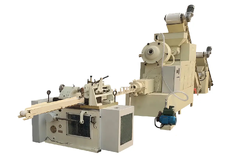

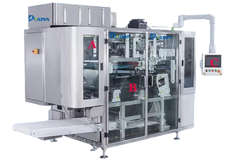


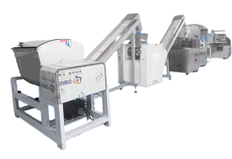

Soap production is a multi—component process that includes the preparation, mixing, cooking, molding and packaging of soap. Soap is the main means of hygiene, widely used in everyday life and industry. Modern technologies allow you to create various types of soap, including solid, liquid and creamy soaps with a variety of additives and flavors.
The main stages of soap production
- Preparation of raw materials: various types of fats and oils, alkalis (most often sodium or potassium), water and additives (flavors, dyes, care components) are used.
- Mixing of ingredients: fats and alkalis are mixed in certain proportions to begin the saponification process, as a result of which fats and alkalis are converted into soap and glycerin.
- Soap cooking: The mixture is heated to a certain temperature in digesters or reactors to complete the saponification process.
- Molding: the finished soap mass is poured into molds for solidification or cast in the form of bars, tablets or other shapes.
- Cutting and stamping: The hardened soap is cut into pieces of the desired size and shape, and then stamped to shape and apply a logo or other designations.
- Drying and aging: Soap is dried and aged for a certain time to achieve the desired hardness and quality.
- Packaging: the finished soap is packed in individual or group packaging for protection and ease of transportation.
Types of equipment for soap production
Reactors and digesters
Reactors and digesters are used to mix and heat soap components, ensuring uniform saponification and achieving the desired consistency.
Mixers and stirrers
Mixers and agitators are designed for thorough mixing of ingredients, which contributes to the uniform distribution of components and improves the quality of soap.
Molds and molds for filling
Molds are used to give soap the desired shape and size. They can be made of different materials and have different designs to create unique soap shapes.
Cutting and stamping machines
The cutting and stamping machines automatically cut and shape the soap, ensuring the exact dimensions and uniform shape of each piece.
Drying plants
Drying plants are used to remove excess moisture from soap, which helps to achieve the desired hardness and long shelf life.
Packaging machines
Packaging machines automate the packaging process of finished soap, ensuring its protection and safety during transportation and storage.
Advantages of using modern equipment for soap production
- High product quality due to precise control of the production process and the use of high-quality raw materials.
- Save time and resources by automating and optimizing production processes.
- The flexibility of production, allowing you to create different types and shapes of soap in accordance with the needs of the market.
- Compliance with safety and hygiene standards, which is especially important for products in contact with human skin.
The use of soap
Soap is an essential element of personal hygiene and is used everywhere to wash hands, face, body and hair. It also finds application in household needs such as laundry and cleaning. Modern soap can contain additional components such as moisturizing, nourishing and antibacterial substances, which makes it multifunctional and suitable for various skin types and needs.
Conclusion
Soap production is a complex and multifaceted process that requires the use of modern equipment and compliance with high quality standards. Modern technologies make it possible to create various types of soap that meet the needs of a wide variety of consumers. The high quality and safety of the products ensure the trust of customers and steady demand in the market.
Ask questions by phone or email
-
+7 (921) 054-95-11

-
info@ecozapan.com

-
Our address: Qingdao, Binchuan Road, Unit 1, Building 15, No. 72