Warehouse Robot
We will assist with selecting the right equipment for you


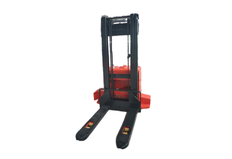

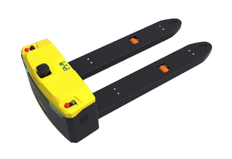
Warehouse robots are automated devices designed to perform various tasks in a warehouse, including moving, sorting, packing and storing goods. These robots help to increase the efficiency of warehouse operations, reduce labor costs and minimize errors. Warehouse robots are widely used in logistics, retail, manufacturing and other industries where automation of warehouse processes is required.
The principle of operation of warehouse robots
The principle of operation of warehouse robots is based on the use of various technologies such as sensors, cameras, navigation software and artificial intelligence. Robots can move around the warehouse autonomously, perform tasks along set routes, avoid obstacles and interact with other devices. They can be programmed to perform specific tasks such as collecting orders, restocking, or moving goods to the right storage locations.
The main functions of warehouse robots
- Moving goods: Robots can move goods around the warehouse, from the receiving area to the storage area or from the storage area to the shipping area.
- Sorting: Robots can sort products by category, size, weight or other parameters.
- Packaging: Some robots can perform packaging tasks for goods, including wrapping, sealing and labeling.
- Inventory: Robots can take inventory by scanning barcodes or RFID tags on goods and updating data in the warehouse management system.
- Charging and maintenance: Robots can independently return to charging stations and perform diagnostics to ensure smooth operation.
Types of warehouse robots
Mobile robots
Mobile robots are equipped with wheels or tracks and can move autonomously around the warehouse. They are used to move goods, complete order collection tasks, and replenish stocks.
Robot loaders
Robot loaders are designed to lift and move heavy loads. They are equipped with forks or grippers and can perform the tasks of loading and unloading goods onto pallets and racks.
Sorting robots
Sorting robots are used to automatically sort goods according to various parameters. They can work on conveyor lines and sorting stations, ensuring accurate and fast distribution of goods.
Robots for inventory
Inventory robots are equipped with sensors and cameras to scan barcodes and RFID tags on goods. They can move around the warehouse autonomously, checking the availability and condition of goods.
Advantages of using warehouse robots
- Increase efficiency by automating warehouse processes and reducing time to complete tasks.
- Reducing labor costs by reducing the need for manual labor.
- Minimizing errors by performing tasks accurately and automatically verifying data.
- Improve warehouse safety by reducing the risk of injury and accidents.
- The flexibility and scalability of the system, allowing you to adapt to changing needs and volumes of work.
The use of warehouse robots
Warehouse robots are widely used in various industries. In logistics and retail, they are used to automate the processes of receiving, storing, assembling and shipping goods. In manufacturing, robots help in managing stocks of raw materials and finished products. In e-commerce, warehouse robots ensure fast and accurate order collection, improving the quality of customer service. Robots are also used in warehouses of pharmaceutical, cosmetic and other companies, where the accuracy and speed of processing goods are important.
Conclusion
Warehouse robots are an important element of modern logistics and production systems. Their use makes it possible to significantly increase the efficiency of warehouse operations, reduce labor costs and minimize errors. Modern technologies and innovative solutions ensure reliable and long-lasting operation of warehouse robots, contributing to improving the quality and speed of goods processing.
Ask questions by phone or email
-
+7 (921) 054-95-11

-
info@ecozapan.com

-
Our address: Qingdao, Binchuan Road, Unit 1, Building 15, No. 72