Compost production
We will assist with selecting the right equipment for you
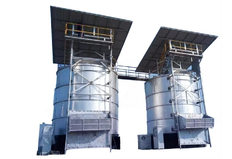
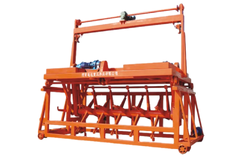
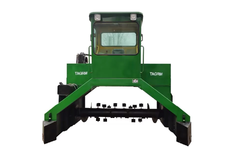
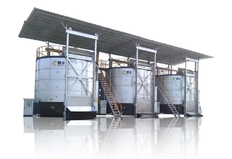
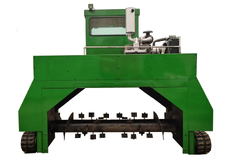
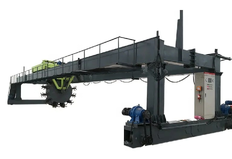
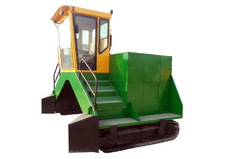
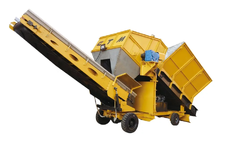
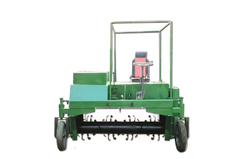
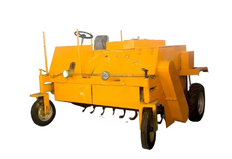
Compost production is the process of processing organic waste into a nutrient fertilizer that improves the structure of the soil and enriches it with useful substances. Composting is an environmentally friendly method of recycling organic waste, reducing waste volume and creating a valuable product for agriculture and horticulture.
The main stages of compost production
- Organic waste collection: The raw materials for compost production are various organic wastes, including food residues, leaves, grass, manure and wood waste.
- Raw material preparation: Organic waste is crushed and mixed to accelerate the composting process and ensure uniform decomposition.
- Compost heap formation: the prepared raw materials are placed in compost piles or special containers, where the decomposition process begins.
- Aeration: regular mixing and ventilation of compost heaps provides access to oxygen necessary for the decomposition of organic matter by aerobic microorganisms.
- Humidity control: Maintaining an optimal humidity level (about 50-60%) contributes to the efficient decomposition of organic materials.
- Compost maturation: the composting process lasts from several months to a year, depending on the conditions and composition of the raw materials. During this time, organic materials turn into mature compost.
- Sieving and packaging: The finished compost is sieved to remove large particles and packaged for further use or sale.
Types of equipment for compost production
Shredders of organic waste
Shredders are used to prepare raw materials by crushing large organic materials into small particles, which speeds up the composting process.
Compost containers and piles
Compost containers and piles are designed for laying and storing organic waste during decomposition. They provide optimal conditions for the composting process.
Aeration systems
Aeration systems include equipment for mixing and ventilation of compost heaps, which provides oxygen access and accelerates the decomposition process.
Humidity control systems
Humidity control systems help maintain optimal moisture levels in compost heaps, which is important for efficient decomposition of organic matter.
Sievers and packaging machines
Sievers are used to remove large particles from the finished compost, and packaging machines are used to pack compost into bags or containers for further use or sale.
Advantages of modern compost production technologies
- Environmental safety through the disposal of organic waste and the reduction of waste in landfills.
- Improving soil quality by enriching it with nutrients and improving its structure.
- Economic efficiency due to the production of a valuable product from waste and reduction of waste disposal costs.
- The flexibility and scalability of the composting process, which allows it to be adapted to different volumes and production conditions.
The use of compost
Compost is widely used in agriculture, horticulture and landscaping. It is used to improve the structure of the soil, increase its fertility and provide plants with the necessary nutrients. Compost is used to fertilize fields, gardens, vegetable gardens, flower beds and lawns. It also finds application in restoration of disturbed lands and bioremediation of polluted soils.
Conclusion
Compost production is an important and environmentally friendly process of processing organic waste into valuable fertilizer. Modern technologies and equipment make it possible to produce compost efficiently and economically, which improves soil quality and promotes sustainable agriculture. Composting helps to reduce waste, reduce the load on landfills and create products that are useful for the environment and agriculture.
Ask questions by phone or email
-
+7 (921) 054-95-11

-
info@ecozapan.com

-
Our address: Qingdao, Binchuan Road, Unit 1, Building 15, No. 72