Agricultural drone
We will assist with selecting the right equipment for you
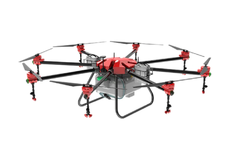
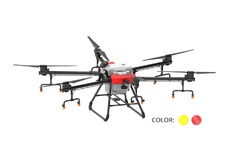
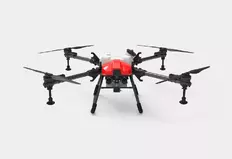
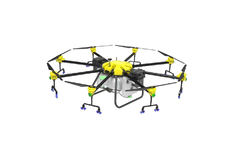
In recent years, agriculture has been experiencing a real technological revolution. One of the striking examples of the introduction of new technologies into the agro—industrial sector is the use of agricultural drones. These unmanned aerial vehicles (UAVs) are gradually becoming an integral part of modern agricultural practice, offering many opportunities to improve the efficiency and accuracy of process management on farms.
The main functions of agricultural drones
Agricultural drones are used in a wide variety of aspects of agriculture. Their main functions include:
-
Monitoring of the condition of crops. Drones allow regular monitoring of the condition of crops in large areas. They can be used to quickly identify problems such as plant diseases, lack of moisture or nutrients.
-
Mapping fields. With the help of special sensors and cameras, drones create high-precision field maps. This helps farmers to better understand the topography and distribution of plants, which, in turn, contributes to more efficient work planning.
-
Spraying and fertilizing. Many modern agricultural drones are equipped with systems for spraying liquid fertilizers and plant protection products. This allows you to reduce the consumption of chemicals, directing them strictly to problem areas, and minimize the impact on the environment.
-
Yield assessment. With the help of agricultural drones, potential yields can be estimated based on data on the condition of plants. This helps farmers to better plan their harvest and optimize logistics.
Advantages of using agricultural drones
The use of agricultural drones in agriculture provides a number of significant advantages:
- Saving time and resources. Automated processes such as monitoring and spraying significantly reduce the time spent on performing these tasks manually.
- Precision and detail. Drones provide detailed data on the condition of fields, which helps farmers make more informed decisions.
- Reducing the environmental burden. Through the targeted application of fertilizers and pesticides, drones contribute to reducing the total amount of chemicals used, which reduces the negative impact on nature.
- Increase in productivity. Early diagnosis of problems and timely intervention help to increase yields and improve product quality.
Modern technologies and development prospects
Today, agricultural drones are equipped not only with standard cameras, but also with various sensors, such as multispectral and hyperspectral cameras, which allow obtaining data on the condition of plants in various light spectra. This makes it possible to identify problems that are not visible to the naked eye, for example, plant stress due to lack of moisture or nutrients.
Further development of this technology can be expected in the future. New drone models with advanced functionality are likely to be developed, capable of performing even more complex tasks. It is also possible to integrate drones with other automation systems, such as harvesting robots or intelligent farm management systems.
Conclusion
Agricultural drones are already playing an important role in modern agriculture. They help farmers improve work efficiency, reduce costs and minimize environmental impacts. Technological development in this area promises to make agriculture even more productive and sustainable, providing new opportunities for those who are ready to keep up with the times.
Ask questions by phone or email
-
+7 (921) 054-95-11

-
info@ecozapan.com

-
Our address: Qingdao, Binchuan Road, Unit 1, Building 15, No. 72